When we talk about school safety, we usually think of physical infrastructure, secure
entry points, or emergency response plans. Rarely do we talk about the air inside
classrooms—even though students and teachers breathe it for six to eight hours
every day.
Yet indoor air quality (IAQ) may be one of the most overlooked safety risks in
schools.
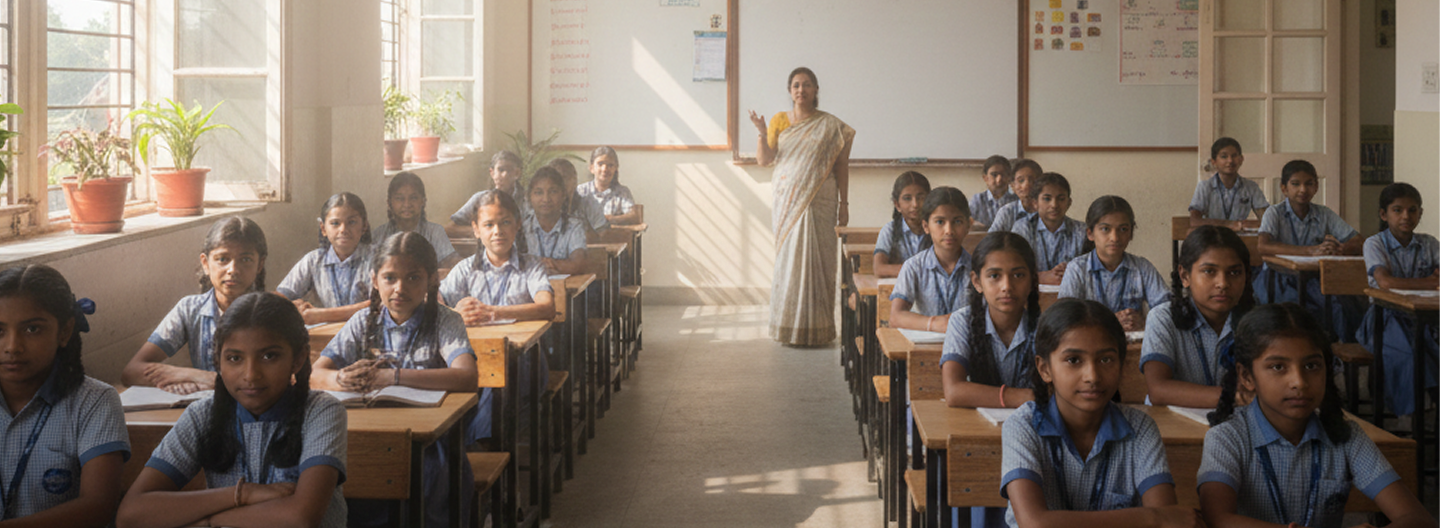
Classrooms with high student density, sealed windows, cleaning chemicals, dust,
and poorly maintained ventilation systems can quietly trap pollutants, allergens, and
pathogens. The impact often shows up in ways schools begin to normalise:
- Higher rates of asthma, allergies, and respiratory infections
- Increased student absenteeism
- Reduced attention spans and cognitive performance
- Greater fatigue and discomfort for both students and teachers
Research, including findings cited by the U.S. EPA, consistently shows that poor
indoor air quality directly undermines health and academic outcomes.
The good news is that improving IAQ doesn’t require radical redesigns—it requires
intention
What schools can do, practically
- Ensure ventilation systems actually exchange indoor and outdoor air, not just recirculate it
- Use HEPA filters in HVAC systems or standalone air purifiers where upgrades aren’t possible
- Maintain not only surfaces, but air ducts, vents, and ceiling fans
- Monitor humidity levels; the 30–50% range significantly reduces mould and dust mites
- Shift to low-emission materials and cleaning products to reduce chemical exposure
This isn’t about creating hospital-grade spaces. It’s about recognising that learning
cannot thrive in unhealthy air.
If safety is about protecting students’ ability to learn and grow, then indoor air quality
is not an add-on.
It is a core part of a school’s safety framework.
A useful leadership question to ask is simple:
Is the air in our classrooms supporting learning—or quietly working against it?
That answer deserves attention.