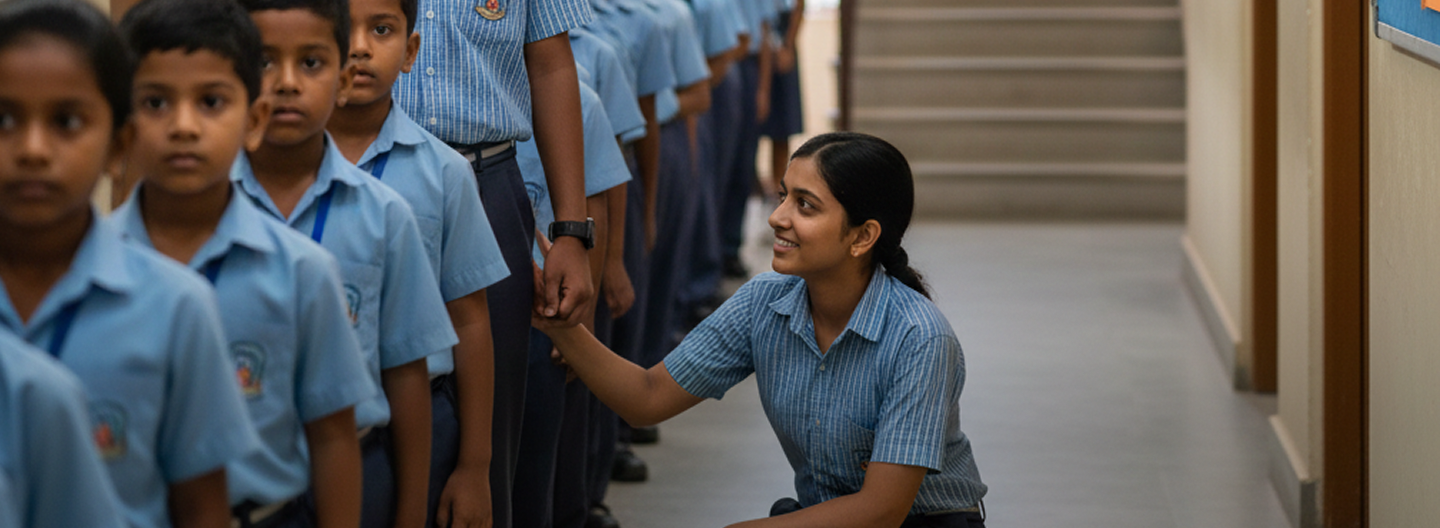
Safety in schools isn’t built only through systems, drills, or adult supervision.
It’s also built by listening to the people who move through the building all day—our students.
Students notice things adults often miss.
A loose railing. A blind corner in a corridor. A staircase that bottlenecks during dispersal.
These aren’t complaints; they are early warning signals.
When schools make space for student voice in safety, two things happen:
- Risks surface earlier
- Responsibility shifts from “someone will handle it” to “we look out for each other”
This doesn’t require complex programmes.
Simple, effective practices include:
- Involving student councils in basic classroom or playground safety walk-throughs
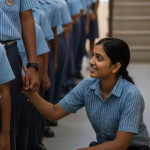
- Training older students as peer guides during drills
- Letting students create safety posters, short videos, or reminders in their own language
- Offering clear channels—physical or digital—for reporting safety concerns without fear
Child protection bodies, including NCPCR, emphasise that children have a right to participate in decisions that affect their safety. Schools that honour this don’t just become safer—they become more aware, more responsive, and more human.
A useful question for leadership teams is not “Are our systems strong?”
But “Do our students feel confident speaking up when something doesn’t feel right?”
That answer often tells you more than any audit report ever will.